SpAItial's Echo-2 AI Model Generates Full 3D Scenes in Real-Time
New AI tech could massively speed up VR world creation by generating navigable 3D environments from simple text or image prompts.
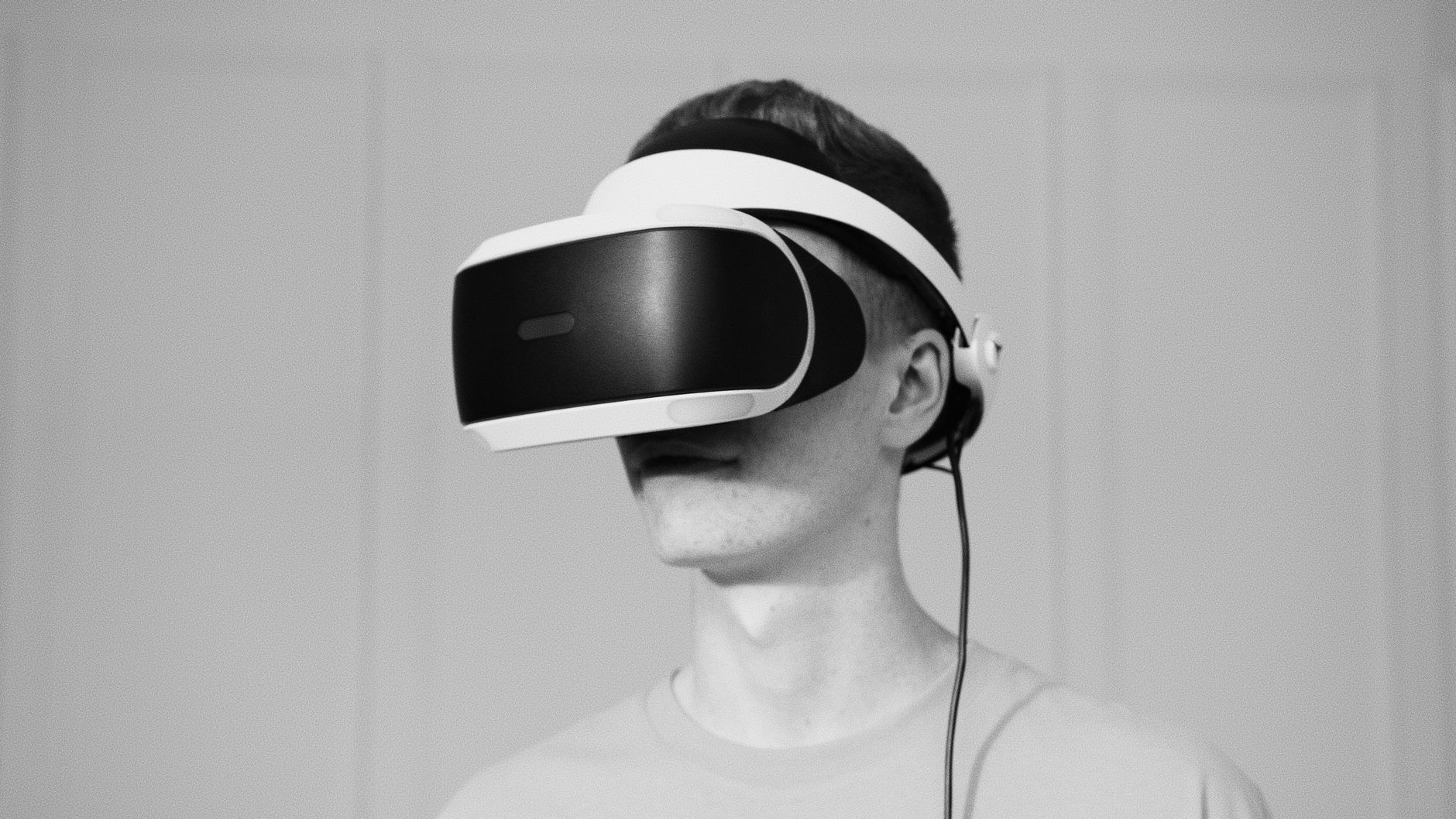
Right, this is properly interesting if you're sick of waiting years for new VR content to arrive. SpAItial has just dropped Echo-2, an AI model that can generate full 3D scenes you can actually walk around in, all from a text prompt or a single image. And we're not talking about flat panoramas here – these are proper navigable 3D environments generated in real-time.
What Makes Echo-2 Different
We've all seen AI image generators churn out impressive 2D stuff, but creating actual 3D spaces that work for VR and spatial computing is a completely different beast. Echo-2 tackles this by generating geometry, textures, and spatial data that headsets like the Meta Quest 3 or Apple Vision Pro M2 can actually use. Type in "cyberpunk alleyway with neon signs" or feed it a photo of your living room, and it'll spit out a 3D scene you can explore from different angles.
The real-time aspect is the kicker here. Traditional 3D environment creation takes artists weeks or months – modelling, texturing, lighting, the whole lot. If Echo-2 delivers on its promise, we could see indie developers and smaller studios creating VR experiences without needing massive art teams. It's the kind of tech that could level the playing field a bit.
Why This Matters for VR
Content creation has always been VR's biggest bottleneck. It's bloody expensive and time-consuming to build convincing virtual worlds, which is why we end up with so many cookie-cutter environments or games that recycle assets. Echo-2 could change that equation entirely. Imagine social VR platforms where users can generate custom spaces on the fly, or training simulations that adapt environments based on specific scenarios.
For headsets like the Meta Quest Pro and emerging mixed reality devices, this could be massive. We've already seen cloud streaming come to VR headsets, and now AI-generated environments could make spatial computing actually accessible to average creators rather than just big studios with deep pockets.
The Reality Check
Before we get too carried away, we need to see how this performs in practice. Real-time generation is one thing, but will these environments actually be high-quality enough for proper VR experiences? Can it handle complex geometry without making people motion sick? And what about consistency – will the same prompt generate wildly different results each time?
SpAItial hasn't shared detailed specs on frame rates, polygon counts, or how this scales across different hardware yet. But if they've cracked real-time 3D generation that's actually usable, this could be one of those moments we look back on as a turning point for VR content creation. One to watch, definitely.
Join the discussion below. Sign in to leave a comment or reply.
You need to be signed in before you can leave a comment or reply to the discussion.